
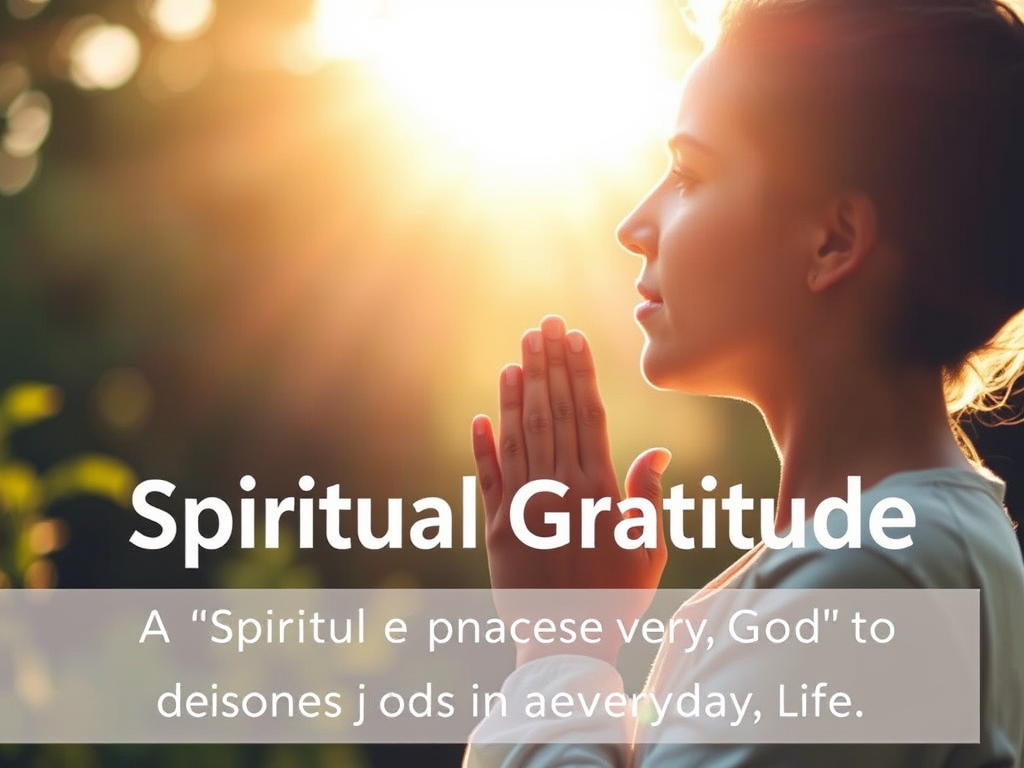
Gratitude can feel easy when life is calm. A good report from the doctor, money in the bank, kids asleep, prayers answered. But what about the days that feel like a long hallway with no doors?
Spiritual gratitude is the spiritual discipline of gratitude. It is not pretending everything is fine. It’s choosing to honor God in the middle of real life, with real pressure, and real questions. It’s worship that keeps its eyes on Jesus, even when the heart feels shaky. This vital spiritual practice helps believers stay anchored.
If you’re seeking spiritual mentorship, you don’t just need “positive thoughts.” You need a biblical way to stay steady through practicing gratitude spiritually, listen well, and grow in faith, especially if you’ve sensed God’s call toward prayer, intercession, or even prophetic ministry. This focus fosters spiritual growth and a heightened awareness of God’s goodness in the mundane.
What spiritual gratitude is (and what it isn’t)

Photo by Monstera Production
Spiritual gratitude, a moral virtue that fosters a positive perspective regardless of your comfort, starts with God’s character. It’s rooted in who He is, what He has done at the cross, and what He has promised to finish. In a Pentecostal life, gratitude isn’t a side hobby. It’s part of staying filled, staying humble, and staying open to the Spirit’s work.
Gratitude is also an act of obedience. Scripture doesn’t say, “Give thanks when you feel like it.” It says giving thanks to God in every situation, as a core expression of gratitude, because this is God’s will in Christ Jesus (1 Thessalonians 5:18). That verse doesn’t deny pain. It puts pain in a bigger story.
Here’s what spiritual gratitude is not:
- It’s not denial. You can say, “This hurts,” and still say, “God is good.”
- It’s not bargaining. Gratitude doesn’t try to bribe God into fixing things.
- It’s not performance. You don’t earn God’s favor by sounding cheerful.
Gratitude is more like adopting an interior posture of turning your face toward the sun, affirming goodness. The shadows don’t vanish because you’re ignoring them. They shift because you’re facing the Light.
If you want a quick set of Scripture passages to pray through, see thanksgiving Bible verses with commentary and let those truths shape your words.
Gratitude tunes the heart to hear God clearly
People who seek spiritual guidance often ask, “How do I know if God is speaking?” That’s a wise question. In spiritual circles, we talk about the Holy Spirit leading through Scripture, inner witness, godly counsel, and at times through prophetic impressions. The Bible also uses the word seer for a person who perceives what God is revealing (1 Samuel 9:9).
A mature christian seer doesn’t chase sensations. They pursue Jesus, and they test what they receive. Gratitude matters here because it protects the heart from two dangerous attitudes: entitlement and fear.
When a sense of entitlement is in control, people can start demanding “words” from God like He’s a vending machine. When fear is in control, people can confuse anxiety with guidance. Gratitude brings the soul back to worship, and worship brings the soul back to truth.
This is where gratitude connects to visions, prophecy, and the life of a prophet:
- Gratitude builds humility, and humility keeps gifts clean.
- Gratitude trains your attention, training the soul to notice God’s fingerprints.
- Gratitude steadies emotions, which helps discernment in prophetic experiences and leads to spiritual empowerment.
The enemy loves noise. This spiritual practice of gratitude, as noted by psychologist Robert A. Emmons whose research highlights its profound benefits, quiets the inner life enough to hear the Spirit’s gentle correction, comfort, or warning.
If you want a helpful overview of how prophetic people often describe spiritual sight, this piece on types of prophetic visions can give language to what many believers experience. Always compare any experience with Scripture, and submit it to wise leadership in the local church.
In dispensational theology, we also live with a clear timeline: the Church age is moving toward Christ’s return. That should shape our gratitude. We aren’t just thankful for daily bread. We’re thankful for a coming King, a coming kingdom, and the blessed hope that keeps us steady while the world shakes.
Simple gratitude practices that fit real life (and real pressure)
Gratitude grows best with small, repeatable choices of intentional gratitude. You don’t need a perfect morning routine. You need honest rhythm, a spiritual rhythm of gratitude like the Examen. Think of it like keeping a fire going. You add fuel often, not once a month.
Pray gratitude before you pray for outcomes
Many people start prayer with requests, then end with thanks if time allows. Try flipping it for one week as a sacrifice of thanksgiving.
Begin with three sentences:
“Lord, thank You for who You are.”
“Lord, thank You for what You’ve already done.”
“Lord, thank You for what You’ll do, even if I can’t see it yet.”
Then bring your needs. This doesn’t block faith. It strengthens it while preventing you from taking for granted God’s hand.
If you want a simple biblical framework for a grateful mindset, this article on having a mindset of gratitude to God pairs well with daily prayer.
Keep a “witness list” (not just a gratitude list)
A basic gratitude list is good: food, shelter, friends. A witness list goes deeper. It records moments when God showed His nature, His timing, or His care. Use a gratitude journal to keep this list.
Write down things like:
Guidance: “I felt checked in my spirit and avoided a bad choice.”
Provision: “Money came at the right time, even if it wasn’t extra.”
Peace: “I slept after weeks of unrest, and I know it was God.”
This kind of record becomes a weapon against discouragement. When you’re tempted to say, “God never helps me,” you have receipts from your own life.
Use gratitude to test prophetic impressions
When someone senses an impression, a dream, or a word, it’s normal to feel urgency. But urgency doesn’t always equal the Holy Spirit.
A simple test is to pause and ask: “Can I thank God right now?” Try the George Bailey effect, mentally subtracting God’s involvement to see its impact on your interconnected relationships and service to others. Or use memento mori, remembering mortality, for clarity. If you can’t thank Him without spiraling, you may need to wait. Gratitude doesn’t replace testing. It supports it while guarding against gratitude fatigue from your own effort instead of the Spirit.
Scripture teaches believers not to despise prophetic words, but to test everything and hold fast to what is good (1 Thessalonians 5:20-21). Gratitude helps you test with a calm spirit, not a reactive one.
If you’re learning about prophetic pictures and inner “seeing,” this guide on growing in prophetic visions can help you think clearly about process and maturity.
Conclusion: gratitude that stays when feelings shift
Spiritual gratitude isn’t a mood. It’s a decision to worship the God who doesn’t change. As the spiritual discipline of gratitude, it anchors your heart, clears your hearing, keeps prophetic gifts grounded in love and humility, and plays a key role in long-term character development and overcoming ingratitude.
Today, choose one small act to adopt an attitude of gratitude: thank God out loud as an expression of gratitude before you ask Him for anything. Keep doing it until it becomes natural. Over time, you’ll notice something quiet but strong, gratitude starts turning ordinary days into holy ground, drawing your heart closer to heavenly blessings and the presence of God.